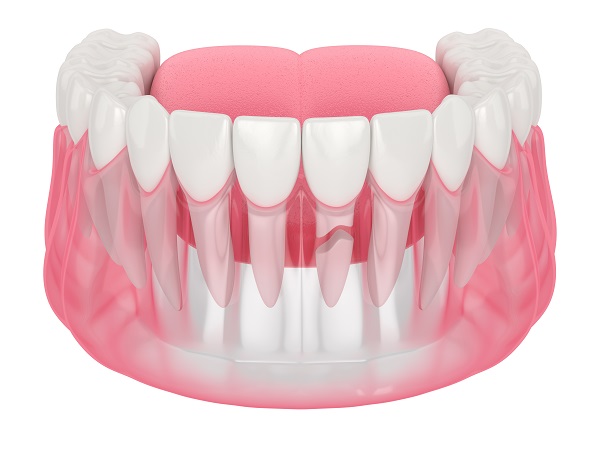
A cracked tooth does not always count as a dental emergency, but it can become a source of concern when the damage reaches the pulp chamber. The pulp chamber houses the nerve and blood vessels of a tooth. It is the innermost layer of a tooth and is sealed off from the outer layers. Damage to a tooth can end up opening this area, leaving it exposed to irritants like bacteria and acids.
Dealing with a severely cracked tooth
A crack that reaches the pulp chamber of a tooth is a serious issue that typically causes excruciating pain. It can also be accompanied by inflammation and bleeding. This type of damage leaves the soft tissues prone to infection. Such a severely cracked tooth counts as a dental emergency and requires an urgent trip to a dentist.
Treating cracked teeth
The standard way to treat a severely cracked tooth is by performing a root canal. It is a procedure that has a bad reputation as a painful treatment, but that is far from the truth. Local anesthetics are typically used during root canals, so all the patient feels is the dentist pushing on their tooth.
During the root canal, the dentist will use a dental drill to make a tiny hole that reaches the tooth's pulp chamber. Different sized files are then used to remove the contents of the pulp chamber. Once that has been completed, the dentist will insert medication into the tooth to kill off any bacteria, then the tooth is sealed with gutta-percha. The tooth can then be covered up with a crown to complete the treatment. Composite resin can also be used to rebuild the tooth.
Recovery after a root canal
There is no recovery period after getting a root canal, so patients are free to return to the regular routine. The patient might experience increased sensitivity to hot and cold foods and beverages if their tooth was prepared for a crown. The sensitivity should go away after a few days and until then, can be managed with over-the-counter desensitizing products like toothpaste and mouth rinses.
Other treatment options for broken teeth
Dentists have other treatment options that they might recommend for broken teeth that are not a serious concern. Popular ways to treat less severe cracks include the following.
Dental bonding: This involves applying composite resin to the damaged tooth and rebuilding it. The putty-like composite is applied in layers and can be color-matched with the rest of the patient's teeth. The use of a composite does not require any permanent changes being made to the tooth, so other options can be explored in the future.
Crowns: Severe damage to a tooth does not always leave the pulp chamber compromised. When this is the case, the dentist might fit the tooth with a crown to restore its function and appearance. A crown also protects the damaged tooth from further damage.
We can treat your broken tooth
Give us a call or stop by our Cherry Hill clinic if you are dealing with a broken tooth. Our dentist will educate you about your options.
Request an appointment here: https://www.njdental1.com or call NJ Dental 1 at (856) 632-1727 for an appointment in our Cherry Hill office.
Check out what others are saying about our dental services on Yelp: Cracked Tooth in Cherry Hill, NJ.
Recent Posts
An emergency dentist can provide urgent care when a tooth is knocked out during sports, a fall, or another sudden accident. However, to increase the chances of saving the tooth, patients and dentists must act quickly. Knowing what to do before arriving at the dental office can help protect the root surface and improve the…
A full mouth reconstruction helps restore comfort and function when multiple teeth, the bite, and gum support require a coordinated, thorough repair. Many patients feel unsure about what this extensive process entails and how much time it requires to achieve a successful outcome. These frequently asked questions explain the journey in a practical and friendly…
A dental crown can restore a damaged tooth, but the placement process may differ for front and back teeth. A general dentist considers the tooth’s location, the amount of pressure it can withstand, and its visibility when planning treatment. While both types of crowns cover and support a tooth, each one serves a slightly different…
A family dentist helps protect smiles by managing cavities early and preventing new decay with consistent, practical care for patients of every age. Cavities often progress without obvious pain, so routine exams and professional cleanings play a vital role in identifying problems before discomfort begins. Getting to a dentist keeps treatment simple for the patient.Cavities…